
Wuxi Xishan Huanyu Metal Hose Co., Ltd
 English
 Views: 0 Author: Site Editor Publish Time: 2025-12-31 Origin: Site


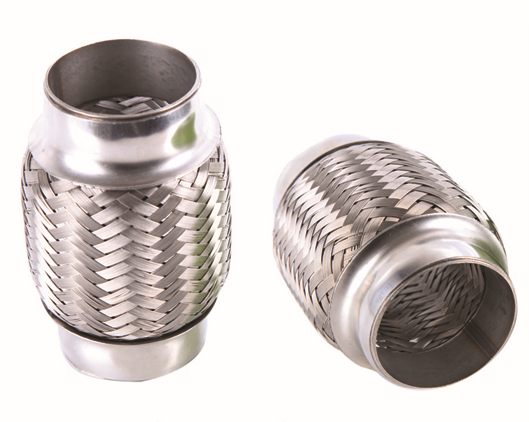
The Hidden Dangers of Ignoring a Broken Flex Pipe
In the intricate symphony of your vehicle's exhaust system, the flex pipe plays a crucial, albeit often overlooked, role. This braided, flexible section is designed to absorb engine movement and vibration, protecting the rigid exhaust components from stress and damage. When it fails—typically evidenced by a loud rattling or roaring sound, especially during acceleration—it’s a problem that demands immediate attention. Choosing to ignore a broken flex pipe can set off a chain reaction of consequences, ranging from minor annoyances to severe mechanical and financial repercussions.
1. Excessive Noise and Drivability Issues
The most immediate effect is a significant increase in noise. A large hole or complete separation in the flex pipe creates a direct escape route for hot, high-pressure exhaust gases. This results in a loud, rumbling roar that is intrusive, embarrassing, and can make normal conversation in the cabin nearly impossible. Furthermore, the breach can disrupt exhaust scavenging, potentially leading to a noticeable loss of engine power, hesitant acceleration, and reduced fuel efficiency.
2. Health and Safety Hazards: The Carbon Monoxide Threat
This is the most serious risk. A break in the exhaust system ahead of the catalytic converter allows toxic exhaust gases, including carbon monoxide (CO), to leak out. This colorless, odorless gas can seep into the passenger cabin through floorboards or openings, especially when the vehicle is idling or in slow traffic. Carbon monoxide poisoning causes drowsiness, dizziness, headaches, nausea, and, in severe cases, can be fatal. Driving with a compromised exhaust system essentially turns your vehicle into a potential mobile health hazard for you and your passengers.
3. Damage to Other Exhaust Components
The flex pipe acts as a protective shock absorber. When it's broken, engine vibrations and movement are transferred directly to the remaining exhaust components. This places undue stress on:
Exhaust Manifold: Can lead to cracked manifolds or broken studs.
Catalytic Converter:The converter can be damaged by physical stress or by exposure to excessive oxygen from the leak, causing it to overwork and fail prematurely.
Oxygen Sensors: Sensors located near the leak can read incorrect oxygen levels, sending faulty data to the engine computer.
What begins as a relatively inexpensive repair can quickly escalate into a bill that is several times higher.
4. Engine Performance and ECU Problems
Modern vehicles rely on a network of sensors to optimize performance. The upstream oxygen sensor(s), located before the catalytic converter, is critical for maintaining the correct air-fuel ratio. A leak at the flex pipe introduces false air into the exhaust stream, causing the sensor to read a lean condition. The engine's computer (ECU) will then overcompensate by injecting more fuel. This leads to:
Reduced fuel economy (you'll visit the gas pump more often).
Potential engine misfires, rough idling, and poor performance.
The illumination of the Check Engine Light, often with codes related to the oxygen sensor or catalytic converter efficiency.
5. Legal and Environmental Consequences
In most regions, driving with a severely leaking exhaust system is illegal. It violates vehicle noise ordinances and emissions standards. You risk failing mandatory state or provincial safety and emissions inspections, which can result in fines and the inability to legally register your vehicle. Additionally, by allowing unfiltered hydrocarbons and other pollutants to escape, and by potentially crippling the catalytic converter's function, you are significantly increasing your vehicle's environmental footprint.
6. The Risk of Heat Damage and Fire
Exhaust gases are extremely hot. A broken flex pipe can direct this intense heat onto surrounding undercarriage components, such as wiring harnesses, brake lines, fuel lines, or the vehicle's floorboard. Over time, this can melt plastic shields, degrade rubber or plastic parts, and in extreme cases, create a fire hazard.
Conclusion: A Small Problem with Big Implications
A broken flex pipe is not a repair that can be safely deferred. While the initial break might seem like just a noise issue, the domino effect it triggers compromises your safety, your wallet, your vehicle's health, and the environment. The cost of replacing a flex pipe (which typically includes the labor for cutting and welding) is modest compared to the potential costs of a damaged catalytic converter, oxygen sensors, or manifold. Most importantly, it pales in comparison to the value of your health and safety. Therefore, at the first sign of a failing flex pipe—characterized by loud exhaust noise originating from under the front passenger area—prompt inspection and repair by a qualified mechanic is the only responsible course of action.
