
Wuxi Xishan Huanyu Metal Hose Co., Ltd
 English
 Views: 0 Author: Site Editor Publish Time: 2026-02-03 Origin: Site


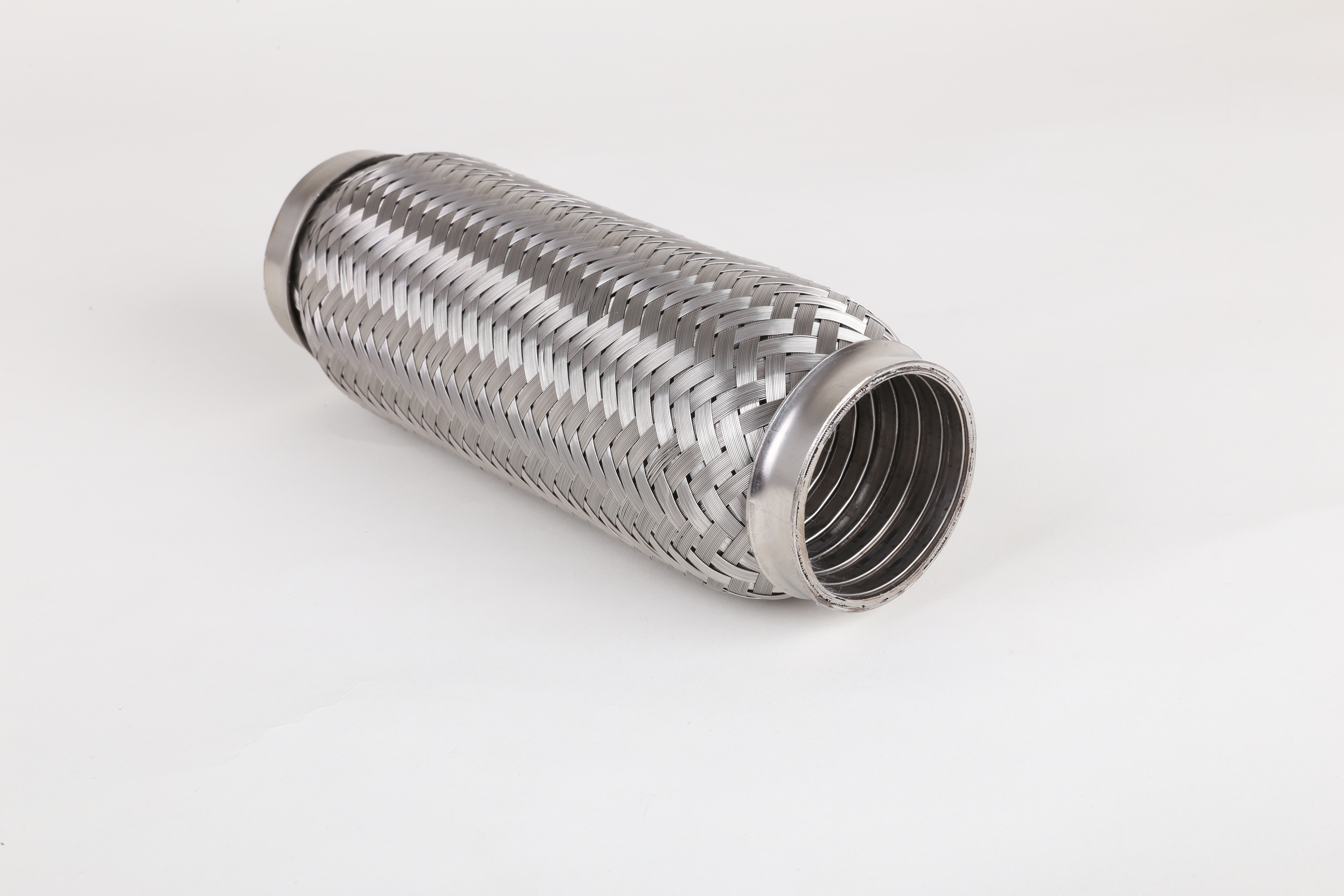
Selecting the correct size for a flex pipe is critical for the efficiency, safety, and longevity of any ducting or exhaust system. Using the wrong size can lead to poor airflow, increased backpressure, excessive noise, and even system failure. This guide will help you determine the right flex pipe diameter for your application without needing complex tables.
The Golden Rule: Match the Existing Diameter
The most fundamental and essential rule is this: Your flex pipe must match the inner diameter (ID) of the pipes or connectors it is joining.
Measure Carefully: Use a measuring tape or calipers to determine the inner diameter of the rigid pipes, flanges, or appliances on both ends of the connection. Do not measure the outer diameter, as this will lead to an incorrect size.
Consistency is Key: The entire exhaust or ducting system performs best when there is a consistent cross-sectional area throughout. A flex pipe that is smaller than the connecting pipes creates a bottleneck, restricting flow. One that is larger can cause turbulence, reduce velocity, and make connections insecure.
Factors Influencing Size Selection
While matching the existing diameter is the primary rule, understanding these factors ensures you’re applying it correctly:
1. Application Type:
Home Appliance Venting (Dryers, Range Hoods): These are typically standardized. Common clothes dryer flex duct is 4 inches in diameter. Range hoods often use 6-inch or 7-inch round ducts. Always check your appliance's manual for the specified exhaust size.
Vehicle Exhaust Systems: This is where precise matching is vital. Measure the outlet of your catalytic converter, resonator, or muffler. Common diameters range from 2 inches for smaller cars to 3.5 inches or more for performance vehicles.
HVAC Ductwork (Heating/Venting/Air Conditioning): Flex duct is used for branch lines to registers. The size is determined by the HVAC system's design (CFM requirements). Replacing an existing section? Match the old duct's diameter.
2. Length Matters:
Use the Shortest Length Possible: Flex pipe creates more friction and turbulence than smooth, rigid pipe. The longer the run of flex, the greater the resistance to flow. If you need a long section, consider if you can upsize by 0.5 inches to help compensate for pressure loss, but only if the connectors allow. Never downsize.
Avoid Sagging: A long, unsupported flex pipe can sag, creating even more flow resistance. Always support it according to code (e.g., every few feet for HVAC ducts).
3. System Requirements:
Engine/Performance Exhaust: For modified vehicles, the required pipe size depends on engine horsepower. While complex calculations exist, a general rule is: smaller engines (under 150 HP) often use 2-2.25 inches, mid-range (150-250 HP) use 2.5-3 inches, and higher-performance engines may require 3+ inches. Consult a performance specialist for critical applications.
CFM (Cubic Feet per Minute) for Fans/Hoods: The fan's power dictates the duct size needed to move air effectively without strain. A powerful range hood with high CFM requires a larger duct (like 7 or 8 inches) to achieve its rated performance. A smaller duct will choke it.
Step-by-Step Selection Process
1. Identify the Source and Destination: What are you connecting? (e.g., Water heater to chimney, dryer to wall vent, car manifold to catalytic converter).
2. Measure the Existing Connections: Measure the inner diameter of both ports you need to connect. If they are different, you may need a transitional flex pipe or a reducer, but the flex section itself should match one of the sizes.
3. Consult Manufacturer Specifications: Check the installation manual for your appliance, vehicle part, or fan. It will state the required exhaust or inlet diameter.
4. Consider the Environment:
Temperature: Ensure the flex pipe material (aluminum, stainless steel, heat-resistant polymer) is rated for the expected temperatures.
Plumbing vs. Exhaust: Do not use standard HVAC flex duct for exhaust gases! Use only UL-listed gas vent material for furnaces/water heaters, and certified high-temperature flex for vehicle exhaust.
5. Purchase and Dry Fit: Once you think you have the correct size, do a dry fit (without clamps or sealant) to ensure it slides snugly over or into the pipes it's connecting.
Common Mistakes to Avoid
"Bigger is Better" Myth: Oversizing can be as bad as undersizing. It leads to poor flow velocity, which in exhaust systems can cause heat retention and inefficient scavenging of gases.
Ignoring Material: Using the wrong material type for the application (e.g., non-heat-rated duct for exhaust) is a fire hazard.
Over-Tightening Clamps: This can crush the flex pipe, deforming it and creating an internal restriction.
Tight Bends: Avoid bending flex pipe to a very small radius. This kinks the pipe, severely obstructing flow. Maintain gentle, sweeping bends.
Conclusion
There is no universal "best size" for a flex pipe. The correct size is the one that perfectly matches the inner diameter of your system's existing connections while accounting for the application's specific length, material, and performance requirements. When in doubt, measure twice, consult manufacturer guides, and if your project is complex (like a custom exhaust), don't hesitate to seek advice from a professional. The right choice ensures your system runs quietly, efficiently, and safely.
